
Secure energy through captive coal mines
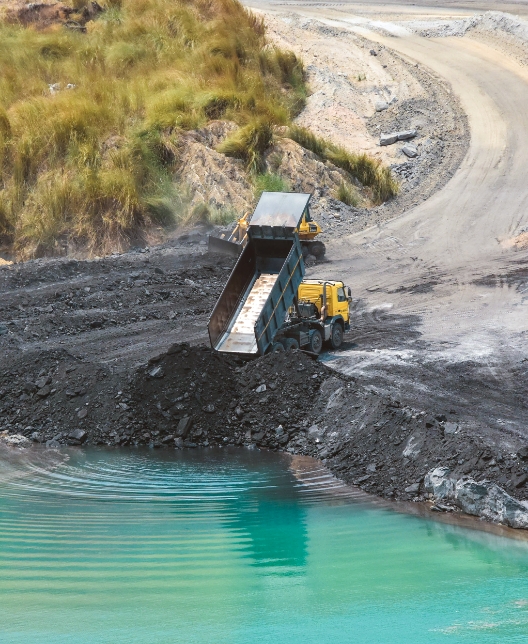
While we have increased focus on decarbonisation, coal still remains our primary source of energy. we employ a two-pronged approach – reliable and safe operations of our captive coals mines and sourcing coal through linkages with Coal India Ltd. (CIL). This approach helps us to ensure coal security, minimize risks and reduce environmental impact.
In 2015, we successfully acquired four coal mines through auctions held by the Ministry of Coal, Government of India. These include the Gare Palma IV/4 in Chhattisgarh, and the Kathautia in Jharkhand. Later in 2021, we also won the Chakla Coal Block in Jharkhand, in 2023 Meenakshi west Coal mines and in 2024 Meenakshi Coal Block which located in Odisha through a commercial coal block e-auction.
Our coal mines
Chakla coal mines
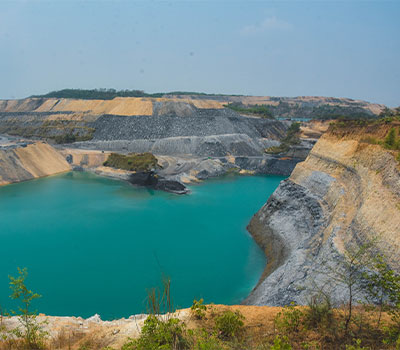
Kathautia mines
Meenakshi coal mines
Meenakshi west coal mines
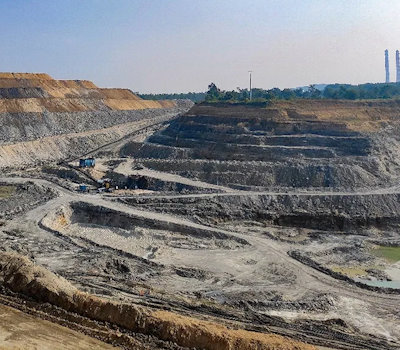
Gare Palma mines
Bauxite mines: facilitating backward integration
Our fully integrated value chain begins at our bauxite mines. We operate a total of 21 bauxite mines across the states of Jharkhand, Odisha, Chhattisgarh and Maharashtra. These mines have a total EC capacity of approximately ~12 million tonnes. We have adopted sustainable transport facilities at our bauxite mines such as the Bagru ropeway and the Long-Distance Conveyor (LDC) at Baphlimali mines in Odisha to transport bauxite efficiently with minimal environmental impact.
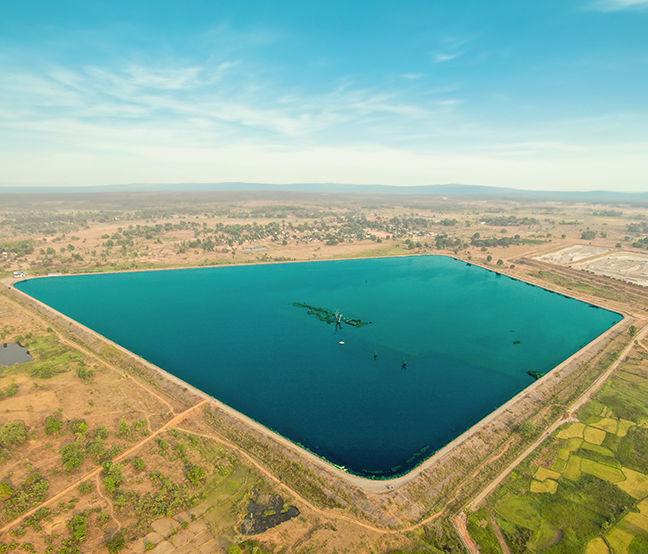
In addition, we also prioritize water conservation through the construction of bunds, gully plugs, rainwater harvesting ponds, contours and terraces. We use harvested rainwater for our mining operations to minimize groundwater consumption. This has helped us become a water-positive company, meaning we are able to generate more water than we consume in our operations.
Our bauxite mines
Baphlimali mines
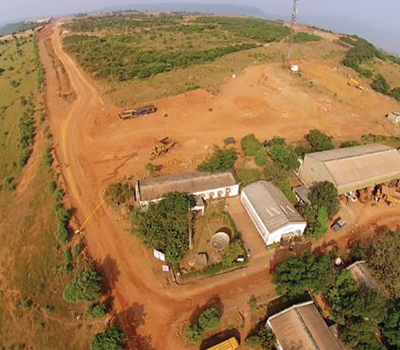
Durgmanwadi mines
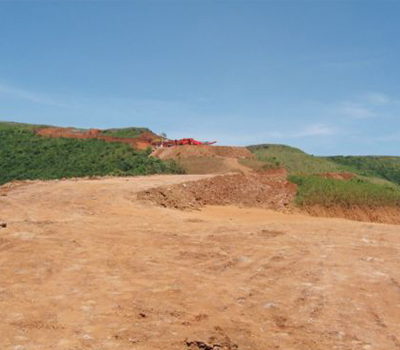
Maliparbat mines

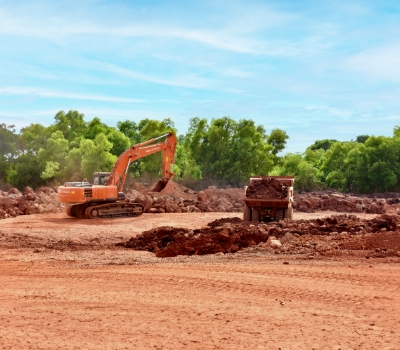
Lohardaga bauxite mines
Supporting sustainable livelihoods at Bagru mines, Lohardaga
We have transformed exhausted mining pits at Bagru into water harvesting structures for pisciculture. We have also built a bamboo cage and fingerling nursery, as well as a duck house to protect the young fish during the early stages of growth. We have provided training to local farmers and established an all-women self-help group on pisciculture and duck rearing respectively to promote sustainable livelihood among the community.
Read more

Sustainable Land use

Water use

waste management

emissions reduction

biodiversity management

health & safety

